By Brentnie Daggett, Rentec Direct
In 2026, homeowners across the country are facing the realities of inflation: rising labor and material costs, higher insurance premiums and climbing utility bills. This means property owners are making tougher decisions about where their money goes. It can be tempting to prioritize the visible upgrades we often dream about—a kitchen remodel, new flooring or a bathroom refresh—and forget about the behind-the-scenes maintenance that keeps your home functioning safely and efficiently. But when budgets are tight, understanding the difference between home maintenance and home improvement has never been more important.
These days, owning a home means more than making mortgage, property tax and insurance payments. Maintenance costs—especially if you own an investment property—are one of the most variable and underestimated parts of a homeowner’s budget. Routine upkeep, like servicing HVAC systems, addressing small plumbing issues before they escalate or preparing your home for seasonal weather, may not be the most glamorous, but these tasks play a crucial role in preventing bigger, more costly repairs, preserving long-term value and saving yourself time and stress down the road.
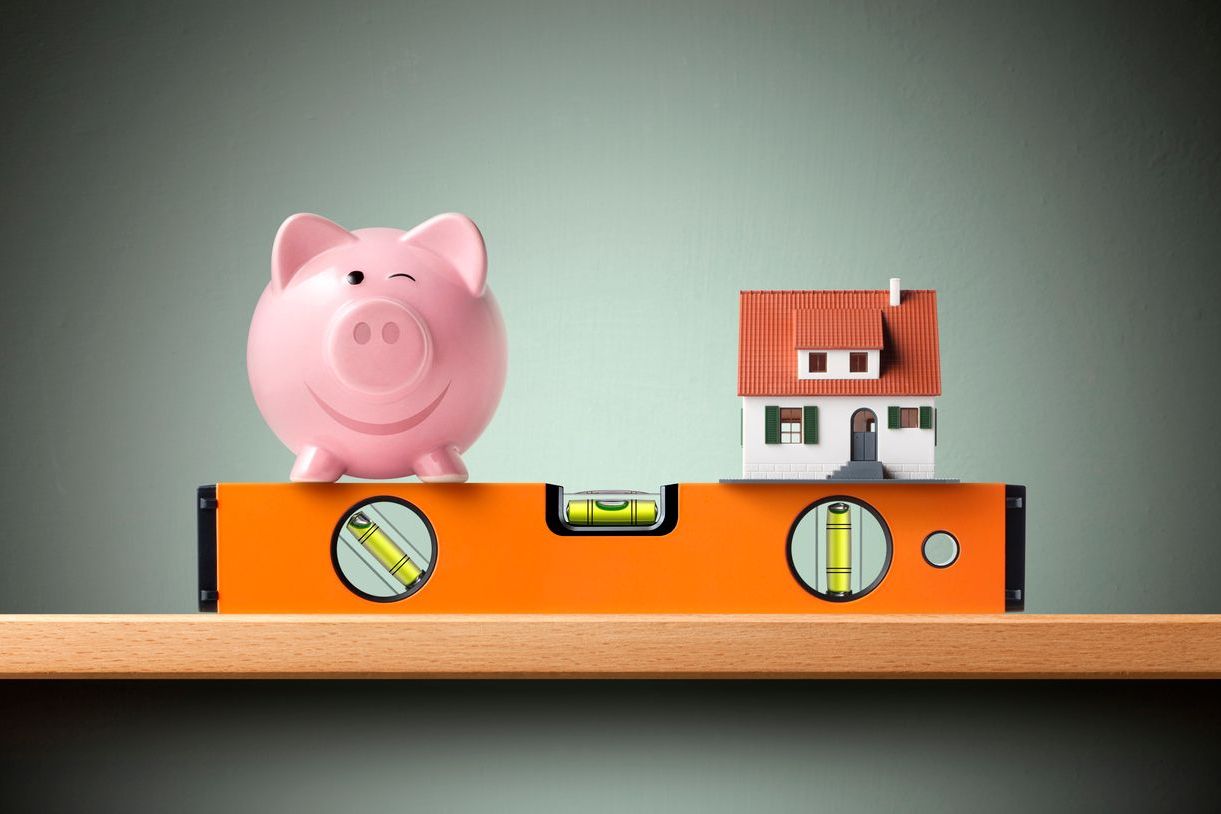
The key distinction to understand: maintenance protects a home’s value, while improvements enhance a home’s value. Smart prioritization (maintenance first and improvements second) and planning ahead (budgeting for routine maintenance and setting aside reserves for the unexpected) will set homeowners up to control costs, protect their investment and make more confident decisions about where to spend their money.
Start With Maintenance: The Non-Negotiables
Home maintenance includes the routine, preventative tasks that keep your home and its core systems operating as intended. They’re certainly not the most exciting line items in a homeowner’s budget, but they are among the most important when it comes to livability and long-term value.
Recommended annual maintenance tasks often change depending on season, climate and property type, but can include priorities like:
- HVAC servicing and filter replacement
- Roof inspections and repairs
- Gutter cleaning and drainage checks
- Winterizing pipes
- Landscaping and tree maintenance
- Weatherproofing doors and windows
- Cleaning foundation/crawlspace vents
- Testing alarms and detectors
- Inspecting for leaks or water damage
- Routine pest control and prevention
Deferred maintenance is one of the most expensive mistakes a property owner can make. What begins as a minor issue—a loose shingle, a slow plumbing leak, an overworked HVAC system—can quickly escalate into major repairs, emergency replacements, or even permanent structural damage if left unaddressed. Manageable fixes compound, and the cost of fixing the problem multiplies simply because the issue wasn’t caught early.
That’s why maintenance should always come first when allocating your household dollars. There are many ways to estimate how much of your budget to set aside for maintenance each year. For example, the 1% rule suggests budgeting roughly one percent of a home’s value each year for maintenance, while the square-footage formula proposes allocating about one dollar per square foot annually. Regardless of your budgeting formula, the most effective approach is to treat maintenance as an ongoing investment—not an emergency expense. When it comes to prioritizing your maintenance spending, think in terms of risk and protection. Roofs, foundations, HVAC systems and electrical infrastructure are the backbone of a home, and safety-and code-related issues are truly non-negotiable.
Homeowners who are proactive and plan ahead with regular inspections, seasonal checklists and detailed maintenance records are far more likely to spot issues early, avoid major surprises and preserve their home’s value. Just as importantly, staying ahead of maintenance keeps future improvement projects financially achievable instead of being derailed by emergency repairs.
When Home Improvements Make Sense
Think of home improvements as the projects that upgrade, modernize or expand your home beyond basic upkeep and functionality. These improvements can enhance how your home looks, feels and functions, but they typically come with a higher price tag than routine maintenance.
Not every upgrade needs to “pay off” financially, but any improvement that increases your resale value, improves energy efficiency or reduces long-term operating costs can be a strong investment. It’s often helpful to distinguish between lifestyle-driven upgrades—like updating finishes—and value-driven upgrades—like upgrading to energy-efficient appliances. Being intentional about which projects support day-to-day living versus boost long-term value will help you prioritize spending more confidently.
If your maintenance and critical home systems are in good shape and you’ve already budgeted for ongoing upkeep and expected repairs, it might be the right time to shift focus toward upgrades and improvements. Financial readiness can look like having dedicated funds set aside for each project without relying heavily on high-interest debt, and a clear understanding of how improvements fit into your long-term goals. For the best ROI, be sure to prioritize the projects that will not only benefit you and your family in your daily lives, but also will attract future buyers should you decide to sell.
Special Consideration: Homes That Are Rental Properties
For homeowners who operate rental properties, prioritizing maintenance is the key to long-term success and profitability. Routine upkeep directly impacts tenant satisfaction, lease renewals and legal compliance. These will all affect your bottom line. Deferred maintenance can quickly turn into costly repairs, extended vacancies or liability risks. Unlike primary residences, rental homes require a much more careful balance between strategic improvements and predictable operating expenses to protect cash flow and ROI. In the rental world, proactive maintenance—not reactive spending—is what reduces risk, preserves property value and supports consistent returns.
How to Prioritize: Protect First, Improve Second
When deciding which projects come first, a simple checklist can bring clarity. Start by asking the important questions:
- Is this a safety or structural issue?
- Will delaying this increase future costs?
- Does this improve efficiency or reduce recurring expenses?
- Is this primarily a quality-of-life upgrade?
Answering these questions can help homeowners differentiate urgent needs from aspirational wants. Detailed financial and maintenance records also make a difference. When you understand what you’ve spent in the past and what systems may need attention next, you can make decisions with far more confidence and far less guesswork. The key is to plan proactively rather than reactively.
Think about planning ahead in annual cycles rather than reacting to emergencies. Scheduling seasonal inspections, building a realistic maintenance reserve and planning for anticipated repairs not only reduces the likelihood of surprise expenses but also protects any funds you have set aside for future upgrades. Treat your property like the long-term asset that it is—not just a place to live for the time being.
At the end of the day, maintenance might not be the most glamorous aspect of being a homeowner, but it is foundational. Improvements will deliver the greatest return when they’re built on a well-maintained, high-functioning home. When you understand where your money is going and why, you’re empowered to make smarter decisions for today and tomorrow.
Brentnie Daggett is a writer and infographic master for the rental and property management industry. She loves to share tips and tricks to assist landlords and renters alike. To learn more about Daggett, and to discover more great tips for renters, visit www.rentecdirect.com.