
By Brentnie Daggett, Rentec Direct
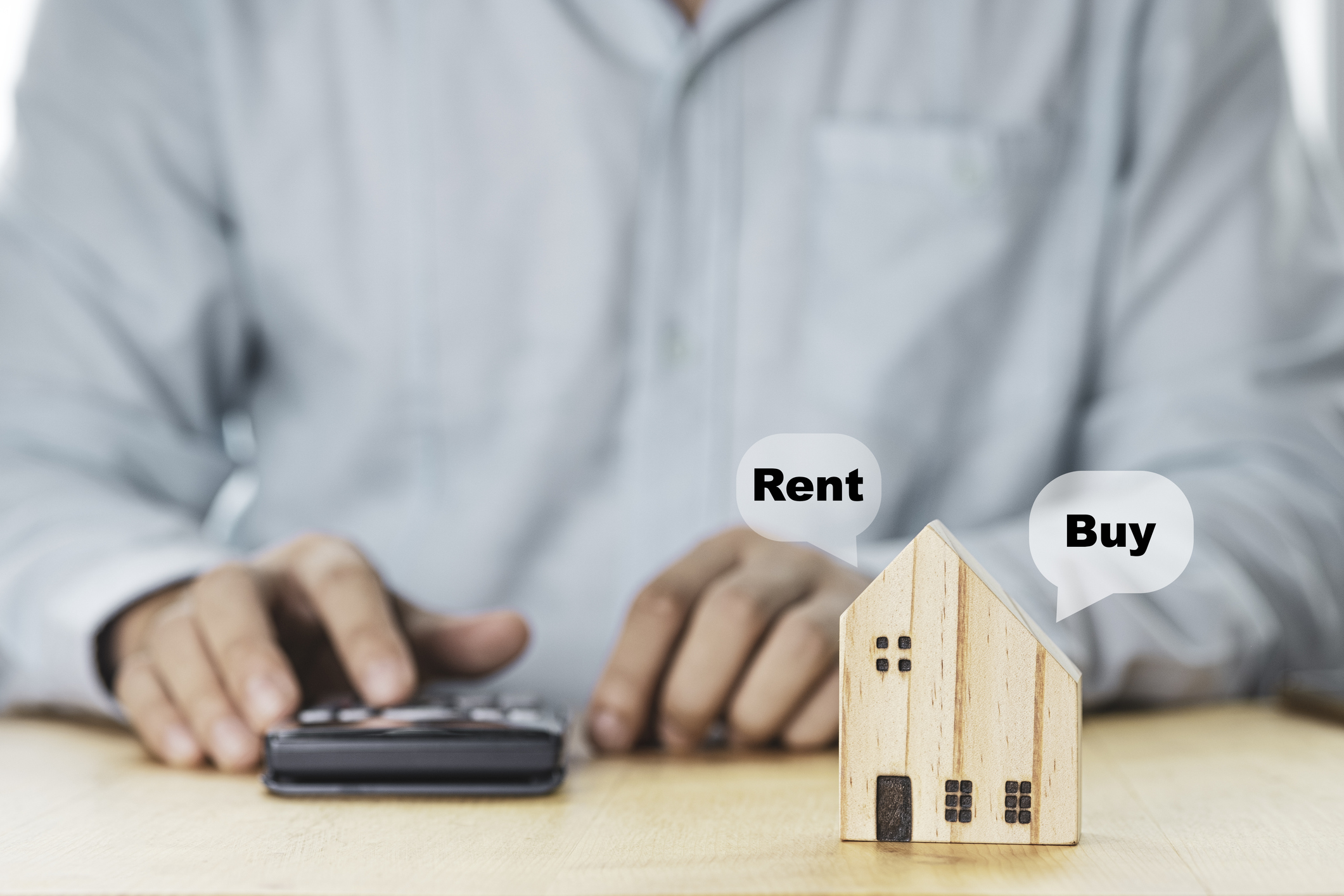
While renting is still more affordable than buying a starter home across most of the country, that gap is beginning to shrink. In some markets, the monthly cost of purchasing a home is already nearly on par with renting, opening new doors for renters who may not have considered homeownership.
Take Orlando, Florida, where buying a starter home costs just $19 more per month than renting one on average. That’s a major difference from the national picture, where buying a starter home costs roughly $850 more per month. The shift reflects a mix of rising rents, cooling home prices and wage growth that is helping improve housing affordability. There’s also more inventory for affordability-focused buyers, with more homes priced under $350,000 than in recent years.
While saving for a down payment may still be a challenge for many prospective buyers, the changing economics of renting versus buying are worth a closer look.
Is buying a home actually more affordable than renting?
Comparing a monthly rent payment to a mortgage payment can give prospective buyers an incomplete picture of what homeownership will actually cost. Beyond principal and interest, buyers should also factor in property taxes, homeowners insurance, potential HOA fees and, in some cases, private mortgage insurance (PMI).
Some expenses don’t arrive on a predictable monthly schedule. While renters can usually rely on a landlord for major repairs, homeowners are responsible for routine maintenance, repairs and eventual replacements of major systems and appliances. A new roof, HVAC repair or water heater replacement can quickly add thousands of dollars to the cost of owning a home. Utilities may also be higher depending on a home’s size, age and energy efficiency, as well as factors like climate. In parts of Oregon, for example, summer irrigation can push monthly water bills above $400.
These additional expenses can make homeownership considerably more expensive than the mortgage payment alone suggests. Before deciding to buy, calculate the full cost of ownership and compare it with your current housing expenses. Consider what you might otherwise put toward savings, debt repayment or other financial goals. A monthly payment that looks similar to rent doesn’t necessarily mean buying is equally affordable.
When does it make financial sense to stop renting and buy?
Consider how long you plan to stay in your next home. Buying generally makes more financial sense when you plan to stay put for several years. If you expect to move within a couple of years, you may not have enough time to build equity or recoup the expenses that come along with buying and selling a property.
Financial readiness matters, too. A steady income, manageable debt and a healthy credit score can help you qualify for better mortgage terms—even in a high interest rate environment. In late October 2026, 30-year fixed mortgage rates reached 7.24%. Higher borrowing costs can significantly affect monthly payments and how much homebuyers can afford. Mortgage approval doesn’t necessarily mean you can comfortably afford the payment, and you’ll want enough savings for a down payment and closing costs without completely depleting your emergency fund.
Consider your local market and compare home prices with rental rates in the area. In some markets, buying may cost about the same as renting, while in others, renting may be considerably more affordable. In Orlando, costs are comparable, but the gap in other metros is much wider. In Portland, in my home state of Oregon, buying costs almost $1,100 per month more than renting.
What renters can do to prepare for homeownership
If buying a home is on your radar, start by researching your local housing market to get a sense of home prices and mortgage rates. Compare rental rates with the cost of buying to get a realistic sense of what homeownership might look like at your price point.
Use this time to strengthen your financial position. Check your credit score, work on reducing debt and make a plan to save for a down payment and closing costs. You can also explore state and local down payment assistance programs for first-time buyers. Consider reaching out to a mortgage lender to understand your financing options and shop around for the best rate.
Don’t rush into buying before you’re ready or just because you find a “good deal.” Renting doesn’t automatically equal a poor financial decision. It offers flexibility, fewer maintenance responsibilities and more time to prepare for a purchase. You don’t have to own a home to make progress toward homeownership—every step you take to improve your finances puts you in a stronger position when the right opportunity comes along.
Final thoughts
The financial advantages of renting aren’t as obvious as they once were. As rents continue to rise across the country and buying becomes more attainable in some markets, the gap between renting and owning is narrowing. For some renters, that could mean a real opportunity to build equity rather than put another year of rent payments toward housing that isn’t yours. But the right decision still comes down to personal finances, local market conditions and long-term goals. The key is to understand your options and recognize when the numbers make buying worth considering.
Brentnie Daggett is a writer and infographic master for the rental and property management industry. She loves to share tips and tricks to assist landlords and renters alike. To learn more about Daggett, and to discover more great tips for renters, visit www.rentecdirect.com.